Zay Shop is an eCommerce HTML5 CSS template with latest version of Bootstrap 5 (beta 1).
This template is 100% free provided by TemplateMo website.
Image credits go to Freepik Stories,
Unsplash and
Icons 8.
Proident occaecat
Aliquip ex ea commodo consequat
You are permitted to use this Zay CSS template for your commercial websites.
You are not permitted to re-distribute the template ZIP file in any kind of template collection websites.
Repr in voluptate
Ullamco laboris nisi ut
We bring you 100% free CSS templates for your websites.
If you wish to support TemplateMo, please make a small contribution via PayPal or tell your friends about our website. Thank you.
Categories of The Month
Excepteur sint occaecat cupidatat non proident, sunt in culpa qui officia
deserunt mollit anim id est laborum.
Reprehenderit in voluptate velit esse cillum dolore eu fugiat nulla pariatur.
Excepteur sint occaecat cupidatat non proident.
Mobile gaming has undergone a seismic shift in recent years, driven by the explosive growth of hyper-casual apps. These bite-sized, ridiculously addictive games are the perfect antidote to the increasingly complex and demanding titles that have dominated the industry for years. They’re the kind of games you can pick up and play for a few minutes, only to find yourself hooked for hours.
A Brief History of Hyper-Casual Games
The concept of hyper-casual games has been around for over a decade, but it wasn’t until the mid-2010s that they started to gain mainstream traction. One of the earliest and most influential hyper-casual games was Flappy Bird, which became a global phenomenon in 2013. The game’s creator, Dong Nguyen, is often credited with popularizing the hyper-casual genre, which has since spawned a wave of imitators and innovators.
The Rise of Free-to-Play and Monetisation
Hyper-casual games have also been instrumental in popularizing the free-to-play (F2P) business model. This approach, which involves offering the game for free and generating revenue through in-app purchases and advertisements, has become the norm in the mobile gaming industry. While some critics argue that F2P models are exploitative and designed to part players from their hard-earned cash, proponents argue that they provide a more accessible and inclusive gaming experience.
The Psychology of Hyper-Casual Games
So, what makes hyper-casual games so compelling? One key factor is their use of psychological manipulation. Developers use a range of techniques, including variable rewards, social pressure, and emotional triggers, to keep players hooked. For example, the popular hyper-casual game 2048 uses a combination of visual and auditory cues to create a sense of tension and anticipation, making players feel like they’re on the verge of a major breakthrough – and often, they are.
The Connection to Online Gaming and Entertainment
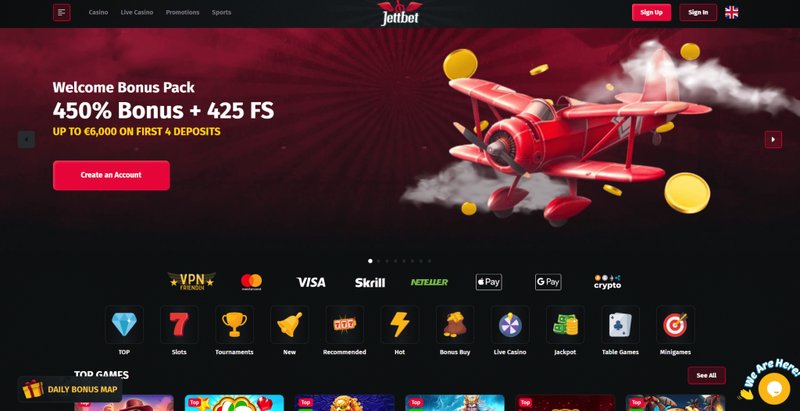
As the popularity of hyper-casual games continues to grow, it’s worth noting that they’re not just a passing fad – they’re also a key part of the broader online gaming and entertainment ecosystem. If you’re looking for more ways to experience the thrill of competition and the excitement of discovery, you might want to check out jettbet-bet.com, which offers a range of online gaming options and experiences that are sure to keep you on the edge of your seat.
The Future of Hyper-Casual Games
As the hyper-casual genre continues to evolve and mature, it’s likely that we’ll see even more innovative and engaging games emerge. With their focus on simplicity, accessibility, and psychological manipulation, hyper-casual games have tapped into a deep well of human psychology and behaviour. As the mobile gaming industry continues to grow and evolve, it’s clear that hyper-casual games will remain a major player in the global gaming landscape – and we can’t wait to see what’s next.
In conclusion, the rise of hyper-casual apps has revolutionised the mobile gaming industry, offering a new and exciting way for players to experience the thrill of gaming on the go. With their focus on simplicity, accessibility, and psychological manipulation, hyper-casual games have tapped into a deep well of human psychology and behaviour – and it’s clear that they’re here to stay.